Sat,25 May 2024
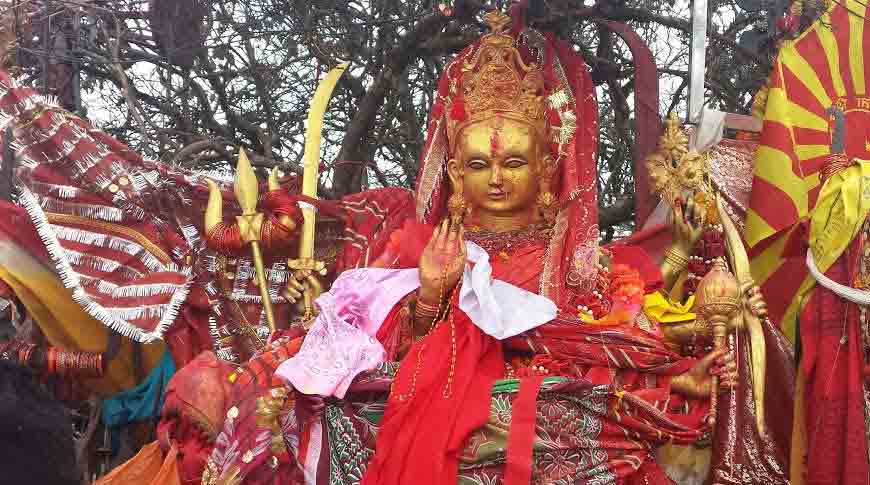
Pathivara Devi, also known as Adi Kali, is venerated as a powerful manifestation of the goddess Durga. She is believed to fulfill the wishes of her devotees, particularly concerning health, wealth, and protection from evil. The temple is especially significant to the Kirat community, who consider Pathivara Devi their ancestral deity, as well as to Hindus and Buddhists from across Nepal and India.
The origins of Pathivara Temple are steeped in myth and local legend. According to folklore, the goddess Pathivara Devi appeared in a dream to a shepherd from the Limbu community, directing him to the current location of the temple. Upon following her instructions, the shepherd discovered a treasure, which led to the construction of the temple at the site.
Historical records of Pathivara Temple are sparse, but it is believed to have been a sacred site for centuries, with its prominence growing over time as stories of the goddess's miracles spread far and wide.
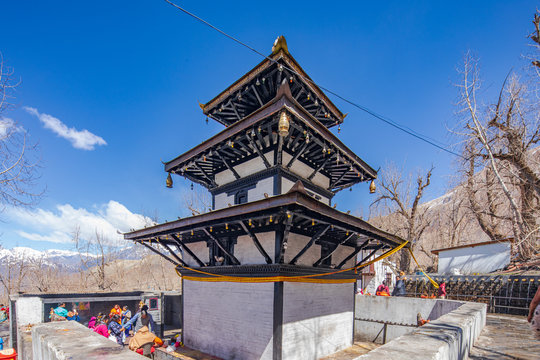
Perched at an altitude of 3,794 meters (12,448 feet), Pathivara Temple is a modest yet spiritually significant structure. The temple complex includes the main shrine, prayer halls, and several small stupas, reflecting a harmonious blend of Hindu and Buddhist architectural elements. The pathway to the temple is adorned with colorful prayer flags and stone inscriptions, adding to the spiritual ambiance of the site.
Reaching Pathivara Temple is a pilgrimage in itself, involving a journey through picturesque landscapes and serene trails. The typical route begins from the district headquarters of Taplejung, from where devotees either hike or take a jeep to Kaflepati. From Kaflepati, a two- to three-hour uphill trek through dense forests, rhododendron groves, and rocky paths leads to the temple.
The trek is an integral part of the pilgrimage experience, offering not just physical challenge but also moments of reflection and spiritual connection. Along the way, trekkers are treated to panoramic views of the Kanchenjunga range, lush valleys, and tranquil streams.
Pathivara Temple is a hub of vibrant festivities, with numerous festivals celebrated throughout the year. The most significant of these is the annual Navaratri festival, during which thousands of devotees visit the temple to seek blessings from the goddess. The temple also witnesses large gatherings during the Nepali New Year and other Hindu and Buddhist festivals.
The region surrounding Pathivara Temple is home to diverse ethnic communities, including the Limbu, Rai, Sherpa, and Gurung. These communities have preserved their rich cultural heritage and traditions, contributing to the temple's unique cultural landscape. Their warm hospitality and traditional practices add depth to the pilgrimage experience.
Moreover, the area around Pathivara is part of the Kanchenjunga Conservation Area, emphasizing the importance of ecological balance and conservation. Efforts are made to protect the local flora and fauna, ensuring that the natural beauty of the region remains intact for future generations.
Pathivara Temple continues to attract a growing number of pilgrims and tourists each year, drawn by its spiritual allure and scenic charm. The local authorities and communities have undertaken initiatives to improve infrastructure, including better road access and accommodation facilities, to enhance the visitor experience while preserving the temple's sacred and natural essence.
Pathivara Temple stands as a testament to the enduring power of faith, cultural richness, and natural beauty. Its spiritual significance, coupled with the breathtaking journey to its sacred precincts, makes it a revered destination for pilgrims and nature enthusiasts alike. As visitors make their way to this divine sanctuary, they are not only seeking the blessings of Pathivara Devi but also immersing themselves in the tranquil embrace of the Himalayas, where spirituality and nature coexist in perfect harmony.
Sat,25 May 2024
Sat,25 May 2024
Sat,9 November 2024